Recovery after a stroke is a long road, and progress can feel slow when you are living it. One-sided weakness, muscle stiffness, balance problems and changes to speech can all make daily life harder, and rebuilding takes time, patience and the right support. At Yuan Qi Acupuncture Center in Business Bay, we use acupuncture and physiotherapy to support stroke rehabilitation, working alongside your medical team and your existing rehab programme rather than in place of them.
A stroke disrupts the brain's communication with the muscles, which is what leads to the weakness, stiffness and loss of coordination that follow. In Traditional Chinese Medicine, the recovery period is approached by working to calm internal Wind, move blood stasis, and open the body's channels, with the aim of supporting circulation and stimulating the affected areas. Used as part of a wider rehabilitation plan, acupuncture can help with mobility, comfort and quality of life during recovery.
Stroke Rehabilitation · Business Bay clinic
We reply within working hours. Your details are only used to contact you.
Acupuncture for Stroke Recovery is used as a complementary therapy to support the rehabilitation process by helping improve circulation, ease muscle stiffness and spasticity, and help maintain activity in weakened limbs, as part of a broader recovery programme. By placing fine needles at specific points, treatment aims to improve local blood flow and stimulate the muscles and nerves in the affected areas, which can support the rehabilitation work being done through physiotherapy and other care. Research into acupuncture for stroke recovery is ongoing, and we are always honest about what it can realistically contribute.
Importantly, stroke recovery is highly individual. How much function returns, and how quickly, depends on many factors including the type and severity of the stroke, the time since it happened, and the overall rehabilitation programme. We do not make promises about specific outcomes. What we offer is supportive treatment that works with your medical and rehabilitation team to help you get the most from your recovery.
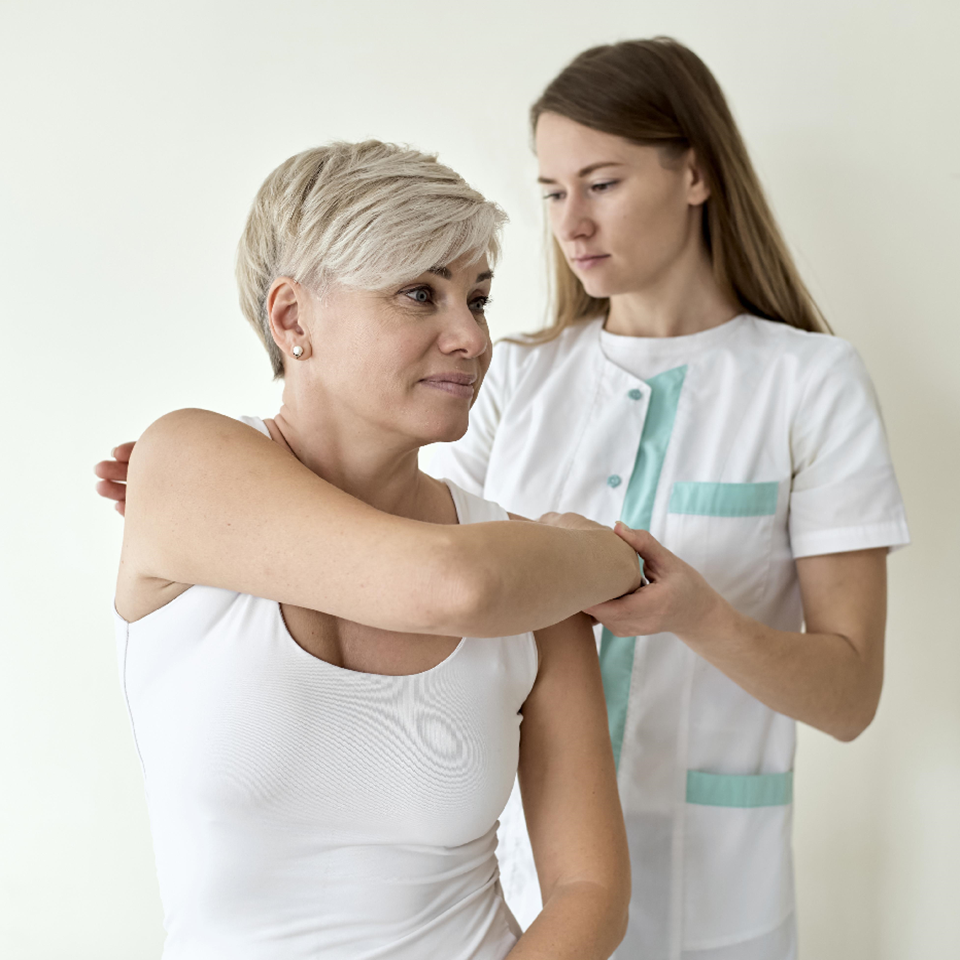
At the clinic, stroke rehabilitation often combines acupuncture with physiotherapy and complementary therapies, guided by a full assessment:
This combined approach also looks after the wider effects of a stroke. Calming the nervous system can support better sleep and ease the anxiety and low mood that often accompany recovery, while regular treatment helps prevent the muscle wasting and joint stiffness that can come with reduced movement.
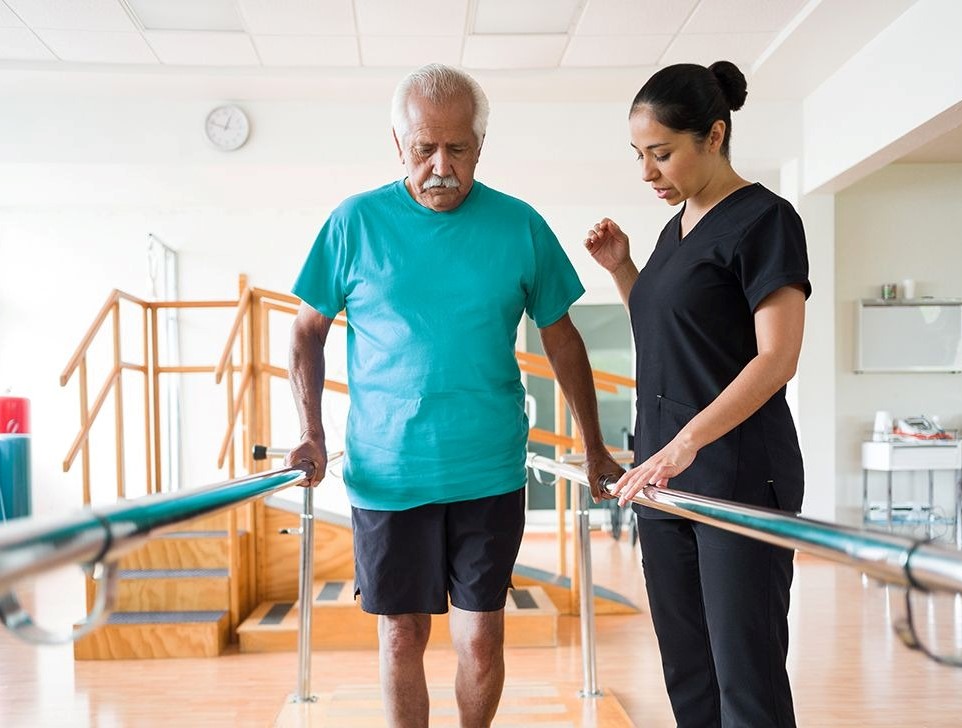
Stroke affects people in different ways. As part of a rehabilitation programme, we can help support these.
One-sided weakness or limited movement in an arm or leg.
Muscle stiffness, tightness and spasticity.
Balance, coordination and mobility difficulties.
Joint stiffness and discomfort from reduced movement.
Your first visit begins with a thorough assessment. We ask about your stroke, when it happened, the effects you are experiencing, your current rehabilitation and medical care, and any medication you are taking. In keeping with Chinese medicine we usually check your tongue and pulse too. We then design a supportive treatment plan that fits around your existing rehabilitation rather than competing with it.
The needles are very fine, far thinner than the needles used for injections, and most people feel little more than a small pinch or a dull, warm sensation as a point activates. Sessions are adapted to your comfort and mobility, and you rest with the needles in place for around twenty to thirty minutes. Afterwards we explain what we found and discuss a realistic, ongoing schedule, since stroke rehabilitation is usually a steady process over time.
A clinical practice run by a DHA & MOH licensed doctor — not a spa offering a quick fix.
Stroke recovery is highly individual and we do not promise specific outcomes. We provide supportive treatment alongside your medical and rehabilitation team.
I visited for spinal treatment and I'm extremely satisfied. The massage and cupping really helped my back pain — the therapists are skilled, knowledgeable and gentle.
 Husnain Awan
Verified · Google
Husnain Awan
Verified · Google
A great experience — acupuncture, massage and cupping in one session. Relaxing and effective, can't wait for the next. Special thanks to Ms. Lei for being so friendly!
 Kyla Galita
Verified · Google
Kyla Galita
Verified · Google
Amazing physiotherapy experience with Ms. Archina! Professional, kind and attentive. Thanks to her care I saw great improvement in a short time. Highly recommend!
 Angeli Orpilla
Verified · Google
Angeli Orpilla
Verified · Google
If you or a family member is recovering from a stroke and would like supportive treatment alongside your medical care, we are glad to help, and you do not need a referral to come in. Yuan Qi Acupuncture Center is in the Sheikh Majid Building on Sheikh Zayed Road in Business Bay, easy to reach from Downtown, Al Wasl and Jumeirah. Call or message on WhatsApp at +971 50 288 4479 and we will arrange an assessment. Your first consultation is included when you book a course of treatment.
Acupuncture is used to support stroke rehabilitation alongside medical care. It aims to support circulation, ease muscle stiffness and help keep weakened limbs active as part of a wider recovery programme. It works with, not instead of, your medical and physiotherapy team.
No. Acupuncture does not repair brain tissue. It is used as supportive care to help with circulation, muscle stiffness, mobility and comfort during rehabilitation, complementing the recovery work led by your medical team.
Timing depends on your medical situation and should be guided by your doctors. Once you are medically stable and cleared to begin rehabilitation, supportive acupuncture can be introduced. We coordinate with your existing care and start gently.
This varies greatly from person to person and depends on the type and severity of the stroke, the time since it happened and your overall rehabilitation. We do not promise specific outcomes; we provide supportive treatment to help you get the most from your recovery.
As part of a rehabilitation programme, acupuncture is used to help keep weakened muscles active and support circulation to the affected side. It works best combined with physiotherapy and your wider recovery plan.
Acupuncture, often with massage and physiotherapy, is used to help ease the muscle stiffness and spasticity that can follow a stroke, supporting comfort and movement during rehabilitation.
Supporting mobility, balance and coordination is part of the combined acupuncture and physiotherapy approach. Progress is gradual and depends on your individual recovery and rehabilitation work.
Yes. Acupuncture is a complement to your medical care, not a replacement. Tell us about your rehabilitation programme and medication so we can plan treatment that supports, and does not interfere with, your existing care.
Stroke rehabilitation is a steady, ongoing process, so treatment is usually a regular schedule over time rather than a fixed short course. We discuss a realistic plan after the assessment and adjust it as you progress.
Acupuncture can be used to support facial muscle weakness as part of rehabilitation, similar to the approach used for facial paralysis. We assess the specific effects you are experiencing first.
When performed by a licensed practitioner with sterile, single-use needles and adapted to the patient's condition, acupuncture is generally well tolerated. We always work within your medical context and coordinate with your care team. Our clinic follows DHA standards.
Yes. Low mood, anxiety and poor sleep are common after a stroke. Calming the nervous system through treatment can support better sleep and emotional wellbeing alongside the physical rehabilitation.
Helping keep weakened muscles active and improving circulation is one aim of treatment, which can support against the muscle wasting and joint stiffness that come with reduced movement. It works best alongside physiotherapy.
Yes. Our physiotherapist, Dr. SuryaLakshmi, provides exercise and manual therapy to rebuild strength, movement and balance, and we often combine physiotherapy with acupuncture for stroke rehabilitation.
Earlier rehabilitation generally offers the most progress, but patients later in their recovery can still benefit from supportive treatment for stiffness, comfort, mobility and wellbeing. We assess your situation and set realistic expectations.
We assess your stroke, its effects, your current rehabilitation and medication, and usually check your tongue and pulse. We then plan supportive treatment that fits around your existing care, and explain a realistic ongoing schedule.
Plan for around 45 minutes to an hour for a first visit, including the assessment. Sessions are adapted to your comfort and mobility, with the needles usually left in place for about 20 to 30 minutes.
Yes. You are welcome to bring a family member or carer, which can be helpful for support and for understanding the treatment plan and any guidance we give for between sessions.
No referral is needed, though we will ask about your medical care and coordinate with it. You can book a stroke rehabilitation assessment by phone, WhatsApp or through our website.
Call or message us on WhatsApp at +971 50 288 4479, or use the booking form on this page, and we will arrange an assessment at a time that suits you.