Introduction
Let’s be honest — the idea of someone sticking needles into your body does not sound relaxing. It sounds like the opposite. But here’s the thing: thousands of people across Dubai are quietly swearing by it, not because it’s trendy, but because it actually works.
Maybe your back has been killing you for months. Maybe the stress of city life has left you drained in ways that no coffee or weekend brunch can fix. Or maybe you’ve tried everything physiotherapy, painkillers, gym routines and you’re still not feeling right. That’s usually when people start Googling acupuncture Dubai, half-curious and half-desperate.
If that’s you right now, keep reading. This is everything you need to know no fluff, no medical jargon, just the real picture.
What Is Acupuncture, Really?
Acupuncture is a core part of Traditional Chinese Medicine (TCM) that’s been practised for over 3,000 years. The basic idea is that the human body has energy pathways called meridians through which your life force, or Qi (pronounced “chee”), flows. When that flow gets blocked, your body starts to suffer. Pain, fatigue, anxiety, digestive issues they’re all signs of imbalance.
Thin, sterile needles are inserted at specific points along these meridians to stimulate the body’s own healing response. It sounds mystical, but modern science has caught up: research shows that needle therapy triggers the release of endorphins, improves blood circulation, and calms the nervous system. It’s not magic it’s your own body doing its job better.
Why Dubai Residents Are Turning to Needle Therapy
Dubai is a high-performance city. Long commutes, demanding work hours, screen fatigue, and the psychological weight of being far from home these things add up. The body keeps the score, as they say.
What’s interesting is that acupuncture clinics across Dubai have seen a notable rise in clients who aren’t coming in for dramatic health crises. Many are simply exhausted. Others have persistent tension in the neck and shoulders from desk jobs. A growing number are women managing hormonal imbalances or irregular cycles without wanting to rely entirely on medication.
The Dubai lifestyle also means a lot of people deal with lower back strain from sitting long hours in cars or offices, or from heavy gym sessions with poor technique. This brings us to one of the most searched reasons people seek out needle therapy here.
Acupuncture for Back Pain Dubai – A Game Changer for Many
Back pain is the silent epidemic of modern city life. And acupuncture for back pain Dubai has become one of the most searched wellness topics for a reason.
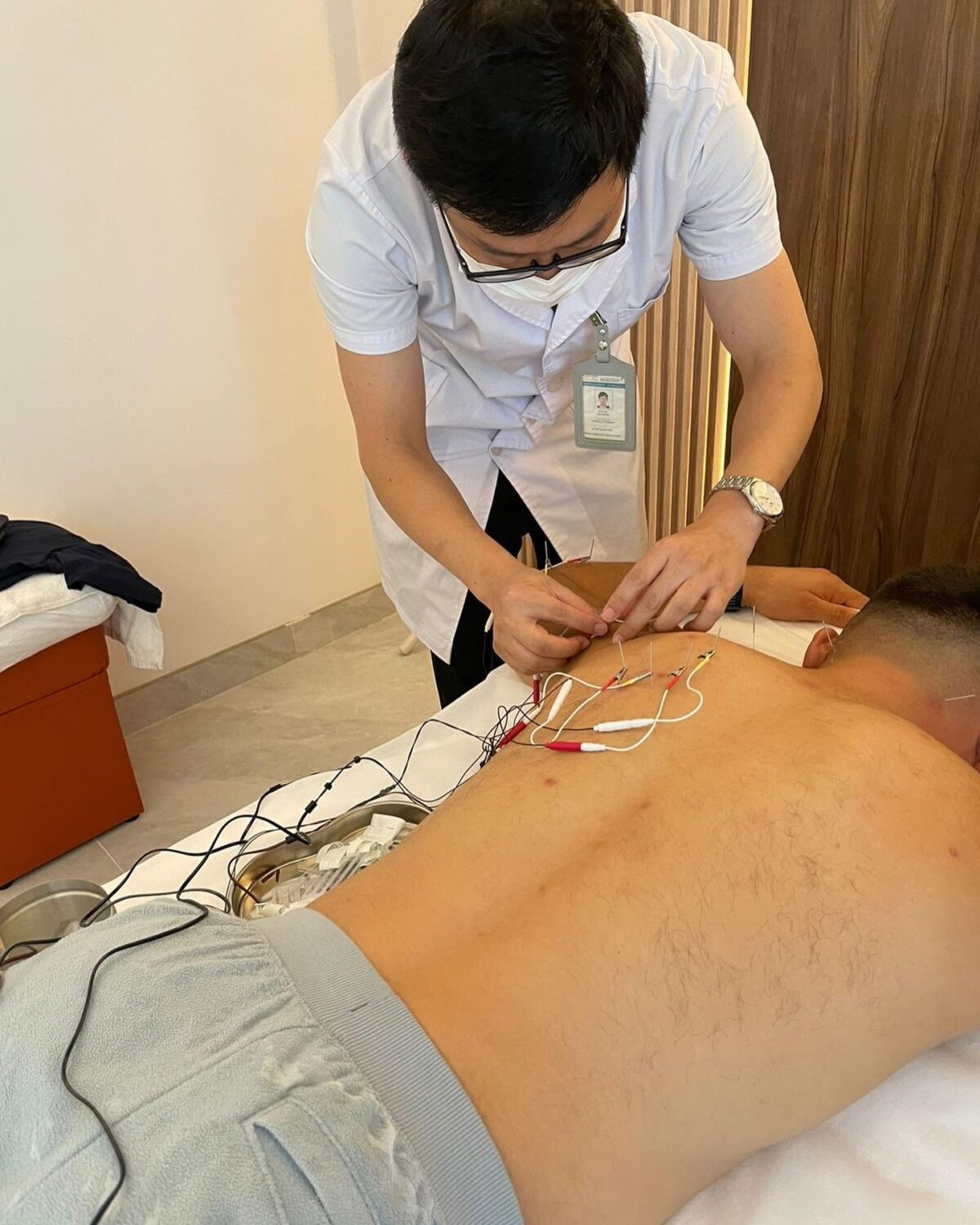
Rather than masking pain with anti-inflammatories, this approach works by targeting the root of the problem. Needles placed along specific lumbar and sacral points can reduce muscle tension, decrease inflammation, and improve the signal communication between your nervous system and the affected area. Many patients report significant relief after just 3 to 5 sessions especially those dealing with chronic lower back issues, sciatica, or post-injury stiffness.
It’s not a replacement for medical care, but as a complementary therapy, it fills a gap that conventional treatment often leaves behind.
What to Expect from Your First Session
First-time clients are usually surprised by two things: how much the practitioner asks about their life (sleep, diet, emotional state) and how little they feel the needles.
A good practitioner won’t just treat the area that hurts. They’ll look at the full picture how your energy is moving, what might be causing the blockage, and what lifestyle factors are making it worse. In Chinese acupuncture Dubai, this holistic intake is what separates a meaningful session from a mechanical one.
The needles themselves are hair-thin. Most people feel a mild heaviness or tingling a sensation TCM practitioners call De Qi, which means the needle has connected with the right point. Sessions typically last 45 to 60 minutes, and most people leave feeling deeply relaxed.
How Many Sessions Do You Need?
This is the most common question, and the honest answer is: it depends. Acute conditions (a recent injury, short-term stress) may respond in 3 to 6 sessions. Chronic conditions that have been building for years may need a longer course of care often 8 to 12 sessions, with maintenance visits thereafter.
The key is consistency. Acupuncture works cumulatively, like physiotherapy or exercise. One session will give you a taste; a full course is what creates lasting change.
Choosing the Right Acupuncturist in Dubai
This matters more than most people realise. Acupuncture performed by an untrained hand isn’t just ineffective it can be harmful. Always look for a practitioner who holds a recognised qualification in Traditional Chinese Medicine, is licensed by the Dubai Health Authority (DHA), and takes the time to understand your full health history before treatment.
Ask about their training, which style of acupuncture they practise (there are several schools Japanese, TCM, Five Element), and whether they integrate other TCM modalities like cupping or moxibustion if needed.
Conclusion
Acupuncture is not a miracle cure, and any honest practitioner will tell you that upfront. But it is a deeply intelligent form of medicine, one that respects the body’s capacity to heal itself when given the right conditions.
If you’re in Dubai and you’ve been carrying pain, tension, or fatigue that just won’t shift, it might be time to give this ancient practice a proper chance.
Yuan Qi Acupuncture stands out for exactly the reasons that matter most when choosing a TCM provider: qualified practitioners trained in authentic Chinese medicine, a thorough approach to understanding each patient’s unique health picture, and a clinic environment that feels more like a place of genuine healing than a transactional wellness appointment. They’re not trying to sign you up for sessions you don’t need. They’re trying to get you better. For anyone in Dubai serious about holistic health, that kind of integrity is rare — and worth seeking out.
Frequently Asked Questions (FAQs)
Q1. Is acupuncture painful?
Most people are surprised by how comfortable it is. The needles are extremely thin much finer than injection needles and the sensation is typically a mild heaviness or warmth rather than sharp pain.
Q2. Is acupuncture safe?
When performed by a qualified, DHA-licensed practitioner using sterile, single-use needles, acupuncture is very safe. Side effects are rare and usually minor (light bruising or temporary soreness at needle sites).
Q3. How quickly will I see results?
Some people notice improvement after one or two sessions. For chronic conditions, meaningful change usually becomes apparent after 4 to 6 sessions. Your practitioner should give you a realistic timeline after your initial consultation.
Q4. Can acupuncture help with stress and anxiety?
Yes, this is one of its most well-documented benefits. Acupuncture stimulates the parasympathetic nervous system (the “rest and digest” mode), helping to lower cortisol levels and reduce the physical effects of stress.
Q5. Do I need a referral from a doctor to book an acupuncture session in Dubai?
Generally, no. You can book directly with an acupuncture clinic. However, if you have a pre-existing medical condition or are pregnant, it’s wise to inform both your doctor and your acupuncturist before starting treatment.
Q6. How is Chinese acupuncture different from other types?
Chinese acupuncture (TCM) focuses on balancing the body’s energy (Qi) across 12 main meridians and uses a diagnostic framework that includes tongue and pulse reading. Other styles, like Japanese acupuncture, use shallower needle insertion and a slightly different point selection approach. Both are effective, but TCM tends to be more comprehensive in its diagnosis.
Q7. Is acupuncture covered by health insurance in Dubai?
Some UAE health insurance plans do cover complementary therapies including acupuncture, but coverage varies significantly by provider and plan. It’s best to check directly with your insurer before your first appointment.